


North America
Europe
Asia Pacific
Middle East
South Africa
South America
Executive Summary
The war involving Iran has rapidly escalated into a shipping market shock centered on the Strait of Hormuz, with immediate spillover into global container networks through capacity dislocation, insurance constraints, and energy-price volatility. Reuters reports ~150 ships stranded near Hormuz amid attacks and threats of further strikes, while major insurers have cancelled war risk cover effective 5 March, driving war-risk premiums sharply higher (reported jump from 0.2% to 1% of vessel value in ~48 hours).
Energy shipping is the first-order transmission channel: VLCC and LNG freight rates have surged to record/high levels (Reuters cites TD3 MEG–China VLCC earnings ~$423,736/day; Spark data shows LNG spot rates +40%+ day-on-day).

LET US KNOW YOUR OPINION
How do you like our Market Reports? Fill in our survey (it only takes a minute) to share for feedback and gain even better market insights in the future.
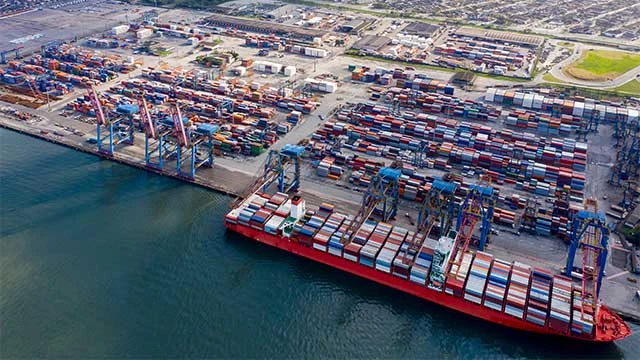
For container shipping, Reuters cites ~100 containerships (~10% of the global fleet) caught in Hormuz congestion, with carriers pausing Middle East bookings. The key near-term implication is higher volatility and worse reliability, even if headline container spot indices were already softening into late February.
Global Economic & Trade Context
The Iran war is affecting shipping through three reinforcing mechanisms:
- Physical disruption/risk of closure at Hormuz: Reuters reports shipping through Hormuz has nearly ceased and Iran has attacked vessels attempting transit. Argus describes traffic as a virtual halt amid hits on vessels and loss of insurance cover.
- Insurance/compliance constraint: Reuters and other outlets report major marine insurers are cancelling war-risk cover for the Gulf area (effective 5 March), which can make many voyages commercially non-viable even if physically possible.
- Energy-price shock → bunker and industrial cost pass-through: Reuters reports Brent spiking sharply intraday (up to +13% in one episode) amid the escalation; this feeds bunker volatility and surcharge uncertainty.
Broader growth expectations may remain resilient in the near term (IMF’s Jan 2026 update still projects 3.3% global growth in 2026), but the practical reality for freight is that predictability, not just demand, sets pricing power and working-capital costs for shippers and forwarders.
What the Iran war changes for containers: second-order shock, fast transmission
Containers are not the primary flow through Hormuz, but this crisis still matters a lot because it hits global network operations:
- Immediate operational impact in the Gulf: Reuters quotes ONE’s CEO stating ~100 containerships (~10% of the global container fleet) are stuck in a Hormuz traffic jam; carriers have suspended Middle East-bound bookings. This implies: equipment immobilization (boxes and empties stuck on the wrong side), schedule breaks for Asia–ME and Europe–ME networks, transshipment disruption in Gulf region hubs.
- Insurance-driven service suspensions and surcharges: When insurers pull war cover, carriers and forwarders face: inability to sail (or to contract) even if physical transits are possible, war risk/emergency conflict surcharges being applied rapidly and unevenly (carrier-by-carrier). Reuters and related industry advisories point to abrupt repricing mechanics.
- Red Sea “double disruption” risk rises: Xeneta’s Feb 28 statement argues strikes on Iran shatter prospects of a large-scale return to the Red Sea/Suez in 2026, implying continued Cape routings for many east–west loops (and therefore structural capacity absorption). If Red Sea risk rises again while Hormuz is constrained, the market shifts from “localized disruption” to “multi-chokepoint stress.”
Carrier strategies: capacity management under volatility
Even before the escalation, carriers were already using blank sailings to stabilize rates. Now, they have stronger incentives to:
- blank or suspend Gulf calls, consolidate strings, and use hub relays,
- push emergency surcharges and war-risk pass-through,
- “protect schedule integrity” by reducing advertised frequency (less service, more predictability).
Drewry had already flagged meaningful blank sailings around the holiday cycle; the Hormuz crisis makes short-notice adjustments more likely.
Schedule reliability and space availability
- Sea-Intelligence’s baseline entering 2026: global schedule reliability around the low 60%s and improving y/y, but still fragile.
- Iran war implication (high level): space may be available on many trades, but service certainty declines because vessels/containers are trapped, loops are restructured, and carriers prioritize risk avoidance over weekly consistency.
Breakbulk & Project Cargo Segment
Project cargo cost and risk are heavily shaped by:
- port access,
- heavy-lift availability,
- safe routing and insurability,
- and energy/industrial project timing.
The Hormuz shock hits projects via:
- regional access constraints (Gulf ports, offshore projects),
- insurance and security compliance (project cargoes often require higher liability certainty),
- fuel and charter cost inflation (energy shipping spikes can tighten certain vessel classes and crew availability).
Even if container indices were drifting lower in February, this event pushes project logistics back into a risk-premium environment
Regional Insights
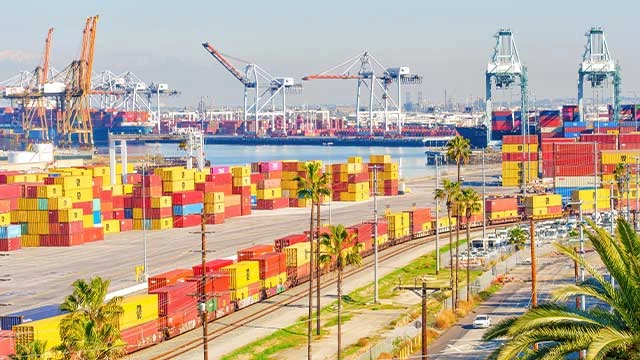
Ocean freight trends - North America
Main market trend
- Indirect exposure primarily through energy price volatility and potential knock-on capacity shifts if global networks reconfigure.
Main reasons for bottlenecks
- Not Hormuz directly; rather rail/port dwell and weather variability remain the practical constraints. (Baseline advisories still apply.)
Impact on Freight Rates
- Possible short-lived upward pressure via bunker surcharges; overall container spot direction still depends on supply discipline and demand.
Ocean freight trends - Europe
Main market trend
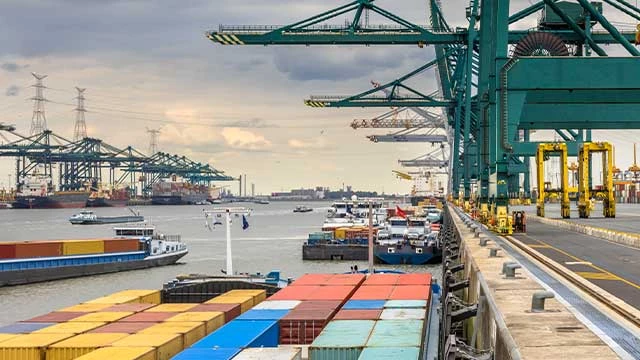
- Higher risk premium for trade touching the Middle East; otherwise Europe is impacted via energy costs and the risk of further Suez instability.
Main reasons for bottlenecks
- Reliability variance if east–west loops remain on Cape routings longer than expected.
Impact on Freight Rates
- More volatility in all-in pricing (freight + surcharges) and increased buffer needs for industrial shippers.
Ocean freight trends - Asia
Main Market Trend
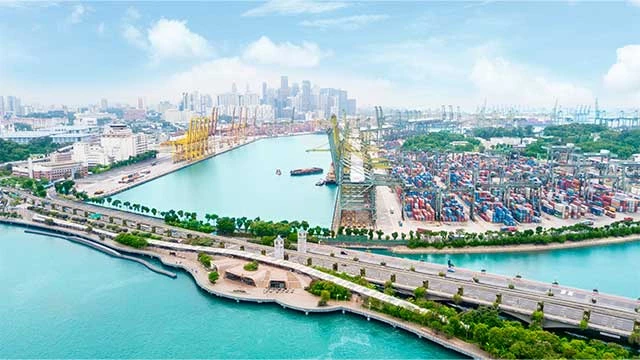
- Asia is beginning to feel the indirect effects of the Middle East conflict, particularly on trade lanes connecting to the Gulf.
- Several carriers are reviewing service rotations and booking acceptance for the region while monitoring developments around the Strait of Hormuz. As a result, scheduling reliability on some Asia to Middle East services may become less predictable in the near term.
- At the same time, it is worth noting that shippers are shifting urgent cargo to air freight as a precaution against potential sea freight delays, resulting in higher utilization of air cargo capacity across key Asian export hubs. This has started to place upward pressure on airfreight rates and tighten space availability, especially for cargo moving forwards the Middle East and Europe.
Main reasons for bottlenecks
- Equipment circulation may tighten if containers remain delayed or immobilized in Gulf ports.
- Some carriers may introduce blank sailings or service adjustments on Asia to Middle East routes while assessing security risks.
- Volatility in energy markets may push bunker costs higher, which could subsequently influence freight pricing.
Impact on Asian ports
- Short term cargo rollovers may occur for shipments bound for the Middle East.
- Some Asian transshipment hubs could experience temporary volume shifts as cargo is rerouted or delayed.
- Export gateways in Asia remain largely operational, though carriers may begin adjusting schedules depending on how the situation evolves.
Impact on Freight Rates
- Freight rates on Asia to Middle East lanes are expected to come under upward pressure due to reduced sailings, increased war-risk insurance, and operational uncertainties.
- If the disruption persists, carriers may introduce risk or contingency surcharges in addition to standard bunker adjustments.
- For other Asia trade lanes, the impact is expected to remain limited for now, although vessel redeployment and schedule changes could lead to short-term rate volatility.
Ocean freight trends - Middle East
Main market trend
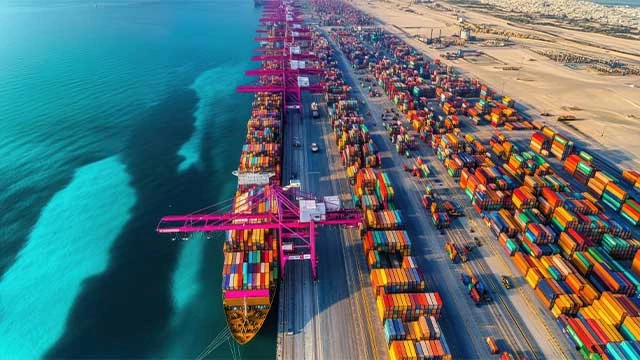
- This is the epicenter.
Main reasons for bottlenecks
- Insurability + physical risk in Hormuz: Reuters describes vessels damaged/stranded and insurers withdrawing cover.
Impact on Freight Rates
- Container: booking suspensions, war risk surcharges, hub disruption.
- Tanker/LNG: record or near-record freight rates and halted movements.
Ocean freight trends - South Africa
Main market trend
- Indirect impact via potential increased Cape routings if Red Sea remains unsafe (capacity absorption and increased transit times).
- Moreover, South African businesses face rising costs through four main channels: fuel (bunkers), insurance (war-risk premiums), freight rates, and surcharges.
Main reasons for bottlenecks
- Weather/wind remains the direct bottleneck, but increased diversion flows could magnify strain.
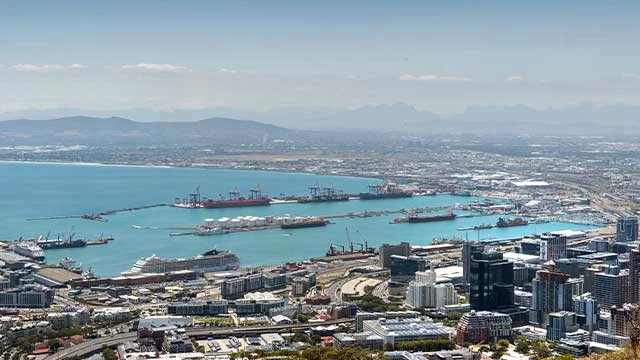
- In addition, the lack of "value-added services" means South Africa acts more as a bypass than a beneficiary, missing out on potential revenue from the thousands of rerouted vessels.
- Longer voyages around the Cape tie up global shipping capacity, leading to longer lead times and higher inventory holding costs for local importers and exporters.
Impact on Freight Rates
- Potential for more schedule padding and spot-rate increases on services using South African waters/ports.
Ocean freight trends - South America
Main market trend
- Indirect. The main exposure is energy/bunker volatility and possible global network rebalancing.
Main reasons for bottlenecks
- Still localized port and hinterland constraints.
Impact on Freight Rates
- Mostly on all-in costs and ETA variability rather than immediate benchmark rate increases.
Market Outlook
Base case (if Hormuz remains constrained through March):
- Energy shipping: Elevated rates persist; spot tanker/LNG markets stay extremely volatile.
- Containers: Global indices may not spike immediately (because overall liner capacity is large) but expect a ME corridor rate spikes (surcharges + scarcity), higher reliability risk and more rolled cargo globally, and equipment imbalance effects that can show up as sudden shortages/premiums in specific origin markets.
Customer Advice
- Expect Middle East quotes as “risk-priced”: Expect explicit line items: base ocean, war risk surcharge, emergency surcharge, and bunker adjustment; shorten validity.
- Prioritize insurability and carrier risk posture over rate levels: If cover is withdrawn, the cheapest freight rate is meaningless.
- Equipment imbalances: Build alternative routings via non-Gulf hubs if feasible.
- Build contingency supply chains: Identify which strings are suspending Gulf calls; prepare options via India West Coast/Red Sea alternatives but only if security/coverage allows.
And overall:
- Let's closely monitor the developments in the US trade policy and the impending world events to manoeuvre potential challenges effectively in the logistics industry.
- Plan ahead in anticipation on Ramadan 2026 and related capacity constraints.
- Think ahead and book well in advance. Try to plan for 6 months ++.
- Consider that the market can change significantly. Further disruptions can happen anytime.
- Identify contract options that enable flexibility and resilience for your business.
- Plan 3–4 weeks in advance for all Asia-related cargo.
- Consider alternative European gateways or routings where feasible.
- Maintain flexible delivery schedules to absorb delays.
- Stay engaged for tactical rate and space guidance.
However, it is our job at Bertling to keep global supply moving and do all we can and apply our knowledge, network and expertise to protect our clients’ while taking the latest market developments into account. We are there to find the best solutions to ensure cargo flows.


